
🚀 3.2.1. The Compound Effect ::: Atomic Scaling
Dec 12, 2025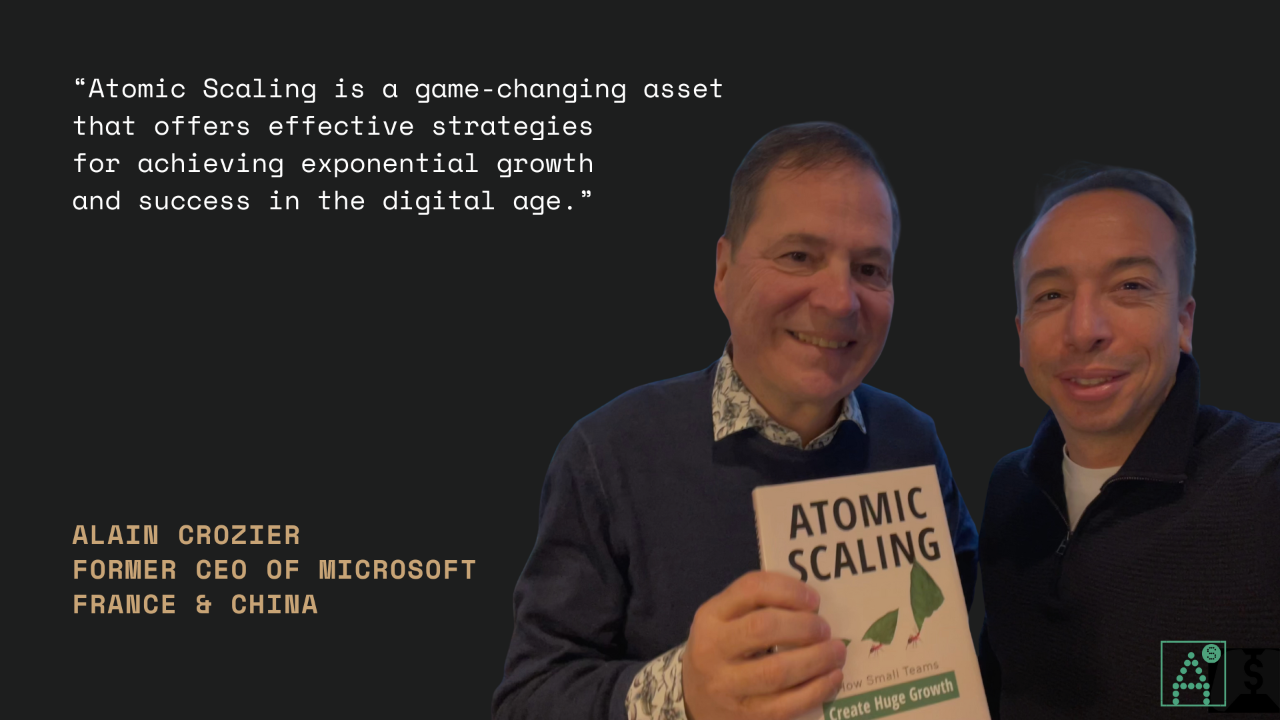
Want explosive growth? You need three things working together: daily habits + compounding value + network effects.
This week: how to build products that get better every time someone uses them.
3 IDEAS:
I. Make Every Session Better Than the Last
Simple products solve a problem once.
Compounding products get more valuable because you use them.
What accumulates over time:
- Data that makes recommendations smarter
- Progress you can see
- Skills or assets you've built up
- Settings that feel custom-made for you
When you nail this: people stop thinking about switching, leaving feels like starting over, and retention takes care of itself.
The test: Open your product on Day 1, then Day 30. If it doesn't feel meaningfully different, you don't have compounding.
II. Let Users Build Something They Own
Spotify figured out early that people who created playlists became paying customers. Why? Those playlists weren't just saved songs—they were part of people's identity.
At BOBIC: When you make micro-allocations (how you invest) and micro-gifts (who you support), you're building your financial fingerprint. It's not just transaction history—it's a record of what you value and what you're building.
After a month, that pattern feels like you.
Ask yourself: What are users creating in your product that becomes personally theirs?
III. Make Users Valuable to Each Other
The biggest growth doesn't come from your product improving—it comes from users improving it for each other.
Perplexity didn't just build search. Every question someone asks makes the answers better for the next person.
At BOBIC: When someone makes a smart allocation, that pattern helps others spot opportunities. The more people with similar values join, the smarter the whole system gets. And those who consistently make good decisions earn status and access to exclusive circles.
2 QUOTES FROM OTHERS:
I.
“The more memories users store in Evernote, the more invested they become.” - Phil Libin, founder of Evernote
II.
“We got you by the balls." - Sean Parker, former President of Spotify and founder of Napster
1 ACTION: Test If Your Product Actually Compounds
Step 1: Compare Day 1 to Day 30 users. Can Day 30 users do things Day 1 can't? Is it just unlocked features, or have they built something irreplaceable?
Step 2: Ask your best users: "If you had to switch to a competitor tomorrow, what would you lose?" If they mention identity, relationships, or their history (not just "time"), you've got real compounding.
Step 3: Map out how one user makes the product better for others. Draw it. If you can't show the connections, you don't have network effects yet.
Tools get used. Living systems grow themselves.
Ludovic Bodin
Founder, BOBIC Generational Wealth | Author, Atomic Scaling
P.S. Want help designing compounding into your product? I built an AI prompt that stress-tests your assumptions before you build.
Copy this into Claude AI:
"You're a product architect at [Name your Company] who thinks in first principles. Be direct. Challenge assumptions.
Help me build products where using it creates value users can't get back.
Test three things:
1. Does usage stack? (Day 30 should feel different than Day 1)
2. Does it become part of identity? (Switching means losing something personal)
3. Does one user help others? (Show me how value flows between users)
Call out when I'm adding superficial features instead of real value, or collecting data that never gets smarter.
Start with: 'What are you building and how does it actually compound?' Then challenge everything until we find the truth."
This approach saved me months of building the wrong thing.
WHAT THEY ARE SAYING:
“Atomic Scaling is a game-changing asset that offers effective strategies for achieving exponential growth and success in the digital age."
- Alain Crozier
Former CEO of Microsoft
France & China
Author


